
- LIFESTYLE
- FASHION
- FOOD
- ENTERTAINMENT
- EVENTS
- CULTURE
- VIDEOS
- WEB STORIES
- SPORTS
- GADGETS
- CAR & BIKE
- TRAVEL
- SOCIETY
- GALLERIES
- NORTH EAST
- INDULGE CONNECT

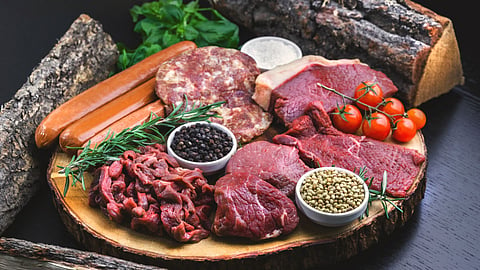
The all-meat diet, popularly known as the carnivore diet, has evolved into several distinct approaches. Among these, two of the most debated versions are the raw carnivore diet and the cooked carnivore diet.
Both follow the core principle of consuming only animal-based products while eliminating all plant foods, sugars, and seed oils. But they differ significantly in preparation methods, safety concerns, and claimed benefits.
What is the raw carnivore diet?
The raw carnivore diet consists entirely of raw, unprocessed animal foods. This includes raw muscle meat, organ meats, raw eggs, and raw dairy. Proponents often adhere strictly to "nose-to-tail" eating, consuming the whole animal for its complete nutritional profile.
Some followers go even further with variations like the Lion Diet, which is strictly red meat (usually beef or lamb), salt, and water.
Maximal nutrient preservation: Heat-sensitive vitamins (like vitamin C, B-complex, and certain enzymes) are better retained in raw meat.
Improved digestion: Some followers claim raw meat is easier to digest due to intact natural enzymes.
Anti-inflammatory effects: Advocates report reduced joint pain, skin conditions, and autoimmune symptoms.
Enhanced mental clarity and mood: Anecdotal evidence suggests improved cognitive performance and emotional stability.
However, these benefits are largely anecdotal, and peer-reviewed research is limited.
Bacterial contamination: Raw meat can harbour pathogens like Salmonella, E. coli, and Listeria. While humans do have stomach acidity comparable to scavengers, it may not always be enough to prevent foodborne illness.
Parasites: Improper sourcing increases risk, especially with raw pork or wild-caught fish.
Nutritional imbalance: Relying on raw muscle meat alone can lead to deficiencies. Nose-to-tail balance is essential.
The cooked carnivore diet includes a wide range of cooked animal-based foods, from grilled steaks to roasted chicken, sautéed liver, and boiled eggs. Like the raw version, it eliminates all non-animal products but offers more flexibility and safety.
Food safety: Cooking destroys most harmful bacteria and parasites, significantly reducing the risk of foodborne illness.
Digestive ease: Cooked meat can be easier to chew and digest for some people, particularly those with weaker digestive systems.
Versatility and accessibility: Preparing cooked meat is culturally and socially more acceptable, making it easier to sustain long-term.
Heat-sensitive nutrient loss: Cooking can degrade some vitamins (e.g., B1, B5, C) and amino acids.
Overcooking risk: High-heat cooking (grilling, frying) can create harmful compounds like heterocyclic amines (HCAs) and advanced glycation end-products (AGEs), which are linked to inflammation and chronic diseases.
Both raw and cooked carnivore diets are rich in:
Complete proteins
Essential fatty acids (EPA, DHA)
Fat-soluble vitamins (A, D3, K2)
Bioavailable minerals like zinc, heme iron, and magnesium
Meat-specific compounds like creatine, carnitine, taurine, and carnosine
These nutrients contribute to:
Hormonal regulation
Muscle growth and recovery
Brain health and cognition
Reduced inflammation and autoimmune relief
The choice between raw and cooked carnivore depends on your goals, tolerance, and lifestyle.
If you're seeking maximum nutrient density and willing to source high-quality, grass-fed, fresh meat (especially organs), you may experiment with raw, but proceed cautiously and be informed. If you prioritise food safety, convenience, and social practicality, the cooked carnivore diet is likely the better choice.
Either way, both versions offer a nutrient-rich, anti-inflammatory dietary approach that aligns with the ancestral human diet and may help address a range of modern chronic conditions, from metabolic syndrome to autoimmune disorders.
Regardless of the path you choose, consider getting your blood work checked regularly and consulting a physician or functional nutritionist familiar with carnivore diets.