
- LIFESTYLE
- FASHION
- FOOD
- ENTERTAINMENT
- EVENTS
- CULTURE
- VIDEOS
- WEB STORIES
- SPORTS
- GADGETS
- CAR & BIKE
- TRAVEL
- SOCIETY
- GALLERIES
- NORTH EAST
- INDULGE CONNECT

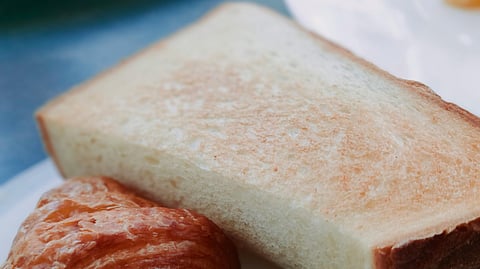
Tasted the Japanese milk bread and wondered how the soft and fluffy texture is achieved? Well, here’s busting some secrets for those who might want to try it out at home. The unique texture of these breads comes from the technique of Tangzhong or the water roux. While not rocket science, it still needs a certain amount of precision, measurement, and practice to get things done the right way.
Did you know that the process of Tangzhong is behind the fluffy Japanese milk breads?
Before going deeper into the process itself and how it affects the texture of the breads, it is worth noting what the entire process is about. Tangzhong is a paste which is a result of cooking water or milk with flour at a temperature of 65 degree centigrade. Usually, a unit of flour is cooked with five units of water or milk to attain a thick consistency. This process allows the flour to absorb more moisture than it normally does.
What seems to be a very normal process of mixing flour with milk or water actually has science behind it that attributes the Japanese milk bread its look, texture, and taste. Primarily, this kind of cooking helps the flour to attain the consistency of gelatin and in turn locks in moisture, which is retained throughout the subsequent processes of kneading, proofing, or baking. The dough which is formed when Tangzhong is used, is softer in comparison to other types of doughs and does not dry out easily because it is all about retaining the moisture. This also paves the way for a longer shelf life of the bread.
While discussing Tangzhong, it is also important to know about Yudane, another process of treating flour which is so similar that one can often mix up the two. While the former is cooked on the stove, the latter requires boiling water to be poured over the flour. While both processes will be creating a water roux, the difference lies in the temperature and the steps of creating the roux, which ultimately affects the final output of the bread.
And Japanese milk bread isn't the only type of bread that uses this roux. Several other varieties, including milk rolls, dinner rolls, cinnamon rolls, buns, and brioche-style breads, also use the same. So, the next time you eat the wonderful breads and baked goodies and wonder about its taste and texture, you know the secret already!
For more updates, join/follow our WhatsApp, Telegram and YouTube channels.