
- LIFESTYLE
- FASHION
- FOOD
- ENTERTAINMENT
- EVENTS
- CULTURE
- VIDEOS
- WEB STORIES
- SPORTS
- GADGETS
- CAR & BIKE
- TRAVEL
- SOCIETY
- GALLERIES
- NORTH EAST
- INDULGE CONNECT
In recent years, non-alcoholic drinks have become more than a passing trend, with many people embracing them as part of a healthier, alcohol-free lifestyle. From zero-proof beers to elaborate mocktails, these beverages offer an alternative for those looking to avoid or reduce alcohol consumption. But while they provide social comfort for some, experts caution that these drinks are not for everyone.
For 27-year-old Logan Denzer from Los Angeles, trying non-alcoholic beer and mocktails was a way to feel included in social settings after years of sobriety. “A lot of people feel out of place when everyone else is drinking,” she says. “For me, these beverages were an excellent solution.”
Denzer isn’t alone. Millions of Americans—ranging from those in recovery to young adults simply opting out of alcohol—are turning to these alternatives. This shift has fuelled a booming industry, with NielsenIQ reporting that retail sales of non-alcoholic wine, beer and spirits reached $823 million last year.

The reasons are clear: research consistently links alcohol consumption to increased health risks, including cancers and injuries. Reducing intake, or eliminating it altogether, is a safer option. However, non-alcoholic beverages aren’t necessarily a perfect substitute. Many are designed to mimic alcohol in look, taste and even aroma, which can present challenges for some individuals.
“It’s important to recognise these are not one-size-fits-all products,” explains Molly Bowdring, a researcher at Stanford University. “You might see friends using them without issue, but your experience could be different.”
Interestingly, most people buying non-alcoholic drinks also purchase alcohol. According to Marcos Salazar of the Adult Non-Alcoholic Beverage Association, this trend, known as ‘zebra striping,’ involves alternating between alcoholic and non-alcoholic drinks during social occasions. “It’s a way of extending the night without overdoing it,” Salazar says.
San Diego resident Ann Kopp Mitchell practises this approach. “If I want a glass of wine with dinner, I’ll have it,” she says. “Then I switch to non-alcoholic drinks so I can still socialise without overindulging.”
While a standard beer contains around 5% alcohol by volume, non-alcoholic versions are capped at 0.5%, roughly the same as a ripe banana. This makes them a safer option for situations like driving or before exercise.
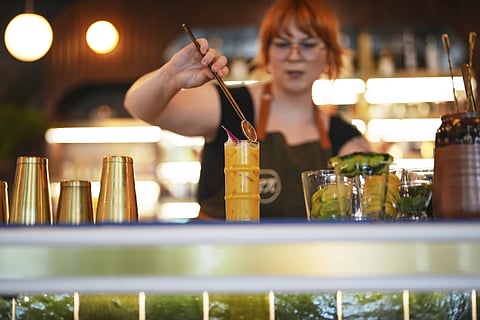
Mocktails have also found their way onto restaurant menus, marking a positive public health shift, says Dr Joseph Lee, CEO of the Hazelden Betty Ford Foundation. “It’s becoming normal to see alcohol-free options, which is great from a societal perspective,” he notes.
However, many mocktails rely on sugary mixers and syrups. The American Heart Association recommends limiting added sugars to six teaspoons per day for women and nine for men—yet a single soft drink can exceed this.
For people in recovery, the picture is more complex. Some find non-alcoholic drinks helpful, while others report that these beverages—because they look and taste like alcohol—trigger cravings.
“When I first got sober, I avoided them,” Denzer recalls. “They tasted too much like the real thing. Later, I became more open, but they’re definitely not for everyone.”
Experts agree they’re best suited for individuals who are further along in their recovery. “Everyone’s journey is different,” says Bowdring. “Be mindful of how these drinks affect you.”
Ultimately, even those without addiction issues should approach non-alcoholic drinks thoughtfully. “It’s about honest self-assessment,” Lee advises. “Just as you consider family history for diabetes or heart disease, you need to evaluate your personal risks and habits.”
The takeaway? Non-alcoholic drinks can support a sober or moderate lifestyle—but only when used mindfully.